
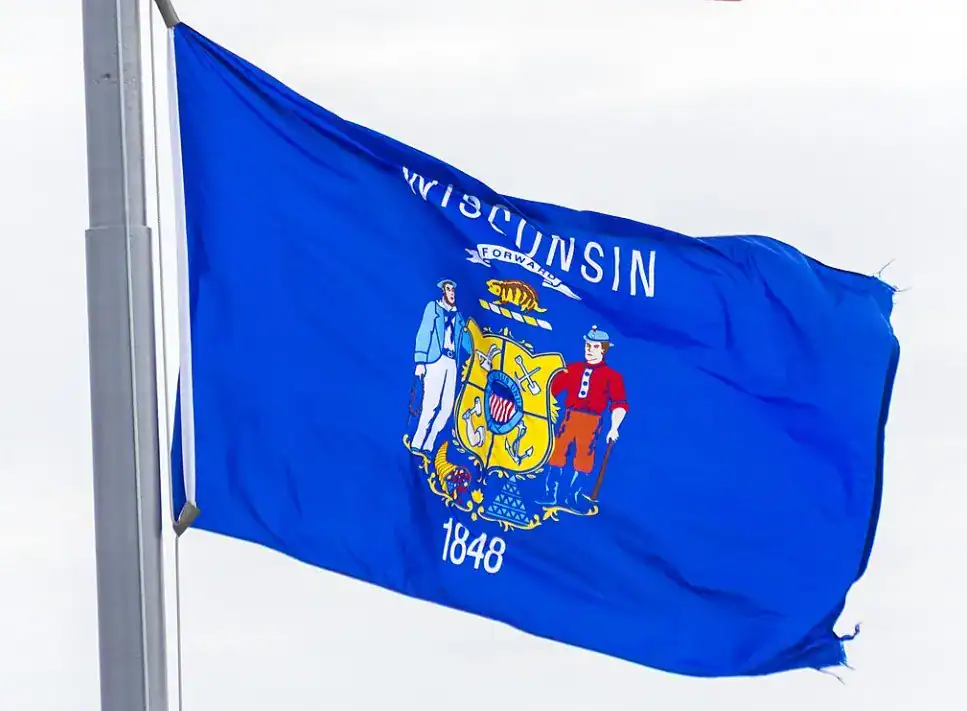
A bipartisan group of Wisconsin lawmakers is proposing a new law that would allow mobile sports wagering across the state through Wisconsin’s tribal gaming operators – potentially expanding access beyond physical casinos for the first time.
How the Wisconsin Proposal Would Work
The bill, introduced by Reps. Tyler August (R-Walworth) and Kalan Haywood (D-Milwaukee) along with Sens. Howard Marklein (R-Spring Green) and Kristin Dassler-Alfheim (D-Appleton), would authorize mobile sports betting in Wisconsin through a tribal-based framework.
It would follow a model similar to Florida’s system, where sportsbook operators host servers on federally recognized tribal lands, while users place bets from anywhere within state lines.
The proposal cites the U.S. Supreme Court’s 2024 decision not to hear a challenge to Florida’s compact with the Seminole Tribe, effectively leaving the “hub-and-spoke” model intact.
According to the bill sponsors, this framework does not directly authorize gambling but is one part of a multi-step process to establish the legal structure necessary for mobile sports wagering under tribal gaming compacts. Any new compacts would still require federal approval by the U.S. Department of the Interior before taking effect.
Current Status of Sports Betting in Wisconsin
Sports wagering is currently only allowed on tribal lands in Wisconsin. Under state law, placing a sports bet elsewhere is a misdemeanor offense.
The proposed legislation would change that definition by excluding from the legal term “bet” any mobile sports wager placed through an approved tribal sportsbook with servers located on tribal property.
If enacted, the bill would move existing illegal betting activity into a regulated framework, generating new revenue for the state and providing more consumer protection from offshore operators.
Lawmakers Cite Consumer Safety and Economic Benefits
Rep. Haywood said the measure is designed to bring Wisconsin’s laws in line with the rest of the country and to shift betting away from unregulated markets.
“This legislation is an important step to bring Wisconsin in alignment with the majority of the country in regards to sports wagering,” Haywood said. “For too long, illegal, offshore entities have profited from consumers through unregulated sports wagering, without generating revenue for local economies. “By regulating this multi-billion-dollar industry, we can provide a safer mobile wagering experience for Wisconsin consumers, and generate much needed revenue to invest into our communities.”
Lawmakers estimate that expanding mobile wagering would redirect hundreds of millions of illegal bets into the legal market, creating new income through tribal compacts while reducing exposure to offshore sites.
Ho-Chunk Nation Lawsuit Adds Context
The Ho-Chunk Nation has an active lawsuit against the Kalshi prediction market, which recently began operating legally nationwide. The case underscores the ongoing tension around how new wagering models intersect with existing tribal gaming authority in Wisconsin.
What Happens Next
Sponsors have circulated the legislation to other lawmakers, seeking co-sponsors before October 22. If the bill gains enough support, it could advance to committee review in the coming legislative session.
If passed, it would mark Wisconsin’s first move toward statewide mobile sports betting, potentially following the precedent set by Florida’s tribal-led model.
- SCCG Management. The Gambling Industry’s Global Connector. Access Here.
- Source: https://sportshandle.com/wisconsin-lawmakers-introduce-bill-to-legalize-mobile-sports-betting/