
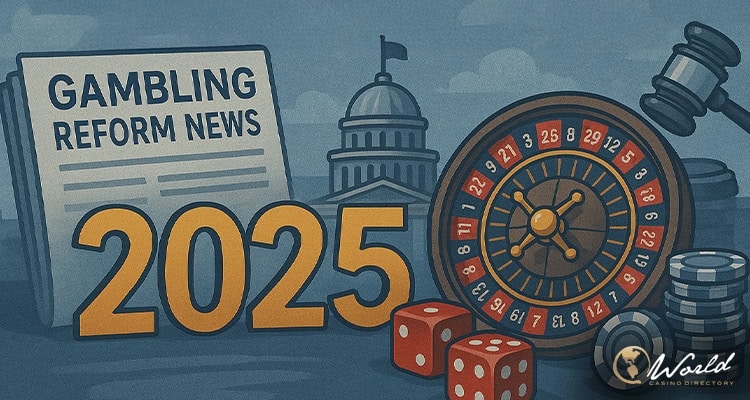
2025 has been a year of significant changes, especially in global gambling regulations. Governments are taking steps to control the rapidly expanding digital platforms and their socio-economic effects.
In 2024, Americans placed over $148 billion in sports bets, setting a new record. The rest of the world is also experiencing a boom. These figures highlight the extent of interaction with gambling platforms.
Such numbers necessitate a response from lawmakers. This article outlines the recent and upcoming changes in gambling laws.
The United Kingdom’s player safeguards
The UK prioritizes player safety. A major reform consolidating the policies on Remote Betting Duty and Remote Gaming Duty has been implemented. This change, accompanied by stricter financial regulations, might impact the horse racing industry.
The UK Gambling Commission has lowered the financial risk threshold triggering affordability checks from £500 to £150 per month. Operators must also obtain explicit user consent before sending promotional messages. These measures aim to protect players and could serve as a model for other regions with gambling issues.
Canada’s free market with clear rules
Canada is refining its iGaming market, with Ontario as a model for regulated online gambling. Platforms like ComeOn casino offer a range of games in a safe setting, requiring responsible gaming measures.
This approach showcases a modern shift in gambling reform, aiming to provide quality betting experiences while ensuring user safety. Other nations are considering this framework for sustainable growth.
The United States’ legal battles
US gambling laws struggle to keep up with the digital landscape. Many states are imposing stricter advertising and spending caps. Lawsuits in Baltimore and New York challenge the legality of promotions, with platforms like DraftKings and FanDuel facing accusations.
Prediction markets and sweepstakes platforms are also under scrutiny. Kalshi has won lawsuits against regulators, redefining legal aspects of online betting.
Croatia’s law overhaul
Croatia addresses its growing addiction issues with a new gambling law effective January 2026. This law aims to organize a loosely regulated space and tackle addiction.
Key features include:
- A mandatory national player registry.
- A shared self-exclusion platform for licensed operators.
- Bans on self-service betting kiosks in non-gambling venues.
Tax rates will be progressive, taxing larger winnings at higher rates. Licensing fees aim to reduce operator numbers, with 11% of income funding addiction programs. These changes could decrease venues by 10-15% and generate €50–70 million in new tax revenue.
Brazil’s putting the brakes on a booming market
Brazil saw a surge with 25 million new users in 2024, exposing a lack of regulation. In response, a comprehensive law was enacted in 2025 to:
- License all operators.
- Introduce taxes on winnings.
- Ban credit cards and certain payment methods.
- Penalize unlicensed platforms.
The law aims to protect consumers and legalize the vast gray market, generating significant tax revenue.
Africa’s regional shifts
Africa’s diverse policies are evolving, with several countries updating their gambling laws.
- Nigeria implemented a 5% tax on winnings and a 15% non-resident tax.
- Kenya increased the excise tax on betting stakes from 12.5% to 15%.
- Morocco imposed a 30% tax on foreign gambling wins.
- Zimbabwe introduced a 10% tax on gross sports betting winnings.
These changes indicate a growing awareness of the fiscal potential of online gambling across the continent.
New legal questions
Technology significantly influences regulators. The use of cryptocurrencies in online casinos raises anti-money laundering concerns, prompting some countries to require regulated stablecoins and smart contract audits for licensing.
This shift to decentralized gambling fosters discussions on regulation through code, with compliance enforced via automated smart contracts, reducing the need for human inspectors. This promotes higher legality and fairness.
The global gambling industry is rapidly transforming. 2025 has shown that proactive reforms are necessary, and users should
- SCCG Management. The Gambling Industry’s Global Connector. Access Here.
- Source: SCCGManagement.com